7 Powerful Website Maintenance Tips to Keep Your Business Website Secure
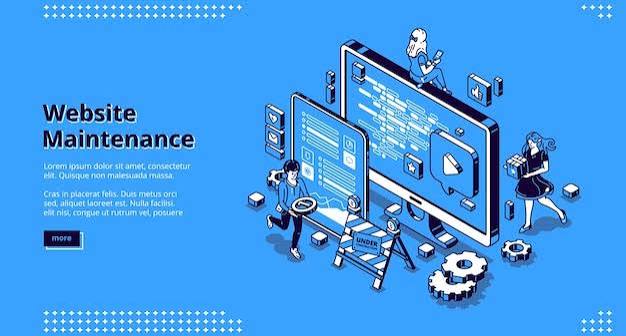
A business website is more than an online address where customers can find information about a company. It is an important part of a brand’s digital presence, a communication channel, a marketing tool, and in many cases, a direct source of leads and sales. However, creating a professional website is only the beginning. To keep a website performing properly over time, businesses need regular website maintenance.
Website maintenance involves the ongoing activities required to keep a website secure, updated, functional, fast, and relevant to visitors. It can include updating website software, checking security, fixing broken links, improving performance, updating content, creating backups, and ensuring that the website works correctly on different devices.
Many businesses invest money in creating a website but fail to maintain it after launch. Over time, outdated software, broken pages, slow loading speeds, security vulnerabilities, and old information can affect the customer experience and the reputation of the business. A website that worked perfectly when it was launched may not continue to perform at the same level months or years later without proper attention.
For businesses that want to build a strong online presence, regular website maintenance should therefore be considered an ongoing investment rather than an optional task. In this article, we will explore seven powerful website maintenance tips that can help businesses keep their websites secure, professional, functional, and ready to serve customers.
Why Website Maintenance Is Important for Every Business
A professional website creates the first impression many potential customers have of a business. When visitors arrive at a website that loads quickly, contains accurate information, works smoothly, and looks professional, they are more likely to trust the business.
On the other hand, a website with outdated information, broken links, missing images, security warnings, or slow pages can create a negative impression. Visitors may leave before contacting the company or purchasing a product or service. This means that a poorly maintained website can negatively affect opportunities that a business could otherwise have converted into customers.
Website maintenance also helps identify technical problems before they become serious. Small issues can sometimes develop into larger problems when they are ignored for a long period. Regular checks allow businesses to discover and resolve problems early.
Another important reason to maintain a website is security. Website technologies, plugins, themes, and other software components receive updates because developers discover bugs, compatibility issues, and security vulnerabilities. Keeping these components updated can help reduce unnecessary security risks.
For businesses that depend on their websites for marketing, communication, sales, or customer service, maintenance is therefore an essential part of maintaining a reliable digital presence.
1. Keep Your Website Software Updated
One of the most important parts of website maintenance is keeping the software that powers the website updated. This is particularly important for websites built using content management systems such as WordPress.
Websites often depend on several components, including the main content management system, themes, plugins, extensions, and other integrations. Developers regularly release updates to improve functionality, fix bugs, improve compatibility, and address security issues.
When businesses ignore these updates for a long time, their websites can become outdated. Older software may eventually become incompatible with newer technologies or other components of the website. In some cases, outdated software can also create security weaknesses.
However, updating a website should not always mean clicking every available update without checking anything first. Businesses should consider compatibility and create a backup before making significant changes. An update that conflicts with another website component can sometimes cause unexpected problems.
Professional website maintenance involves monitoring updates and applying them carefully. After important updates are installed, the website should also be checked to make sure its pages, forms, menus, images, and other functions continue working properly.
For businesses that do not have technical experience, professional website maintenance can make this process easier and reduce the risk of accidentally damaging important website functions.

2. Check Your Website Security Regularly
Website security is another major part of maintaining a professional online presence. A website can contain valuable business information, customer information, contact forms, accounts, and other important data. This makes security something that businesses should take seriously.
Website maintenance should include regular security checks to identify suspicious activity, outdated software, unauthorized changes, and other potential problems.
Businesses should also use strong passwords and limit access to the website administration area to people who actually need it. Unnecessary user accounts should be removed, while administrator accounts should be protected carefully.
Security tools can also help monitor websites and identify suspicious activity. However, security is not only about installing a security plugin or tool. It is an ongoing process that involves keeping software updated, monitoring the website, using secure hosting, maintaining backups, and following good access-control practices.
A secure website also contributes to customer confidence. Visitors are more comfortable interacting with a business when they believe that the company takes its online presence seriously.
Regular website maintenance can help businesses identify potential security issues before they become major problems and keep their website environment more reliable.
3. Improve Website Speed and Performance
Website speed has a major influence on user experience. When visitors click on a website, they generally expect pages to load quickly. If a website takes too long to display its content, visitors may become frustrated and leave.
There are many reasons why a website may become slower over time. Large images, unnecessary plugins, excessive scripts, poor hosting performance, outdated software, and poorly optimized content can all contribute to slow loading times.
Website maintenance should therefore include regular performance checks. Businesses should examine important pages and identify areas that may be affecting loading speed.
Images can often be optimized without significantly reducing their visual quality. Unnecessary plugins or website features can also be reviewed and removed when they are no longer needed.
Another important area is hosting. A website may have excellent design and content but still perform poorly if the hosting environment cannot provide sufficient resources.
Improving website performance can create a better experience for visitors. A fast website makes it easier for customers to browse pages, read information, view products, complete forms, and interact with the business.
For this reason, website maintenance should not only focus on fixing problems after they appear. It should also involve regular performance improvements that help the website remain efficient as the business grows.
4. Check and Fix Broken Links
Broken links are another common problem that can develop on websites over time. A link may work correctly when a page is first published but stop working later because the destination page has been deleted, moved, renamed, or changed.
For example, a business may publish a blog article that links to another page on its website. If that page is later removed without updating the original article, visitors who click the link may receive an error.
Broken links can create a frustrating experience for users. They can also make a website appear neglected or poorly maintained.
Regular website maintenance should therefore include checking internal and external links. Internal links connect pages within the same website, while external links direct visitors to other websites.
When broken links are discovered, they should be corrected, replaced, or removed where appropriate. If a page has moved to a new address, the website owner may also need to redirect visitors from the old address to the new one.
Keeping links functional makes navigation easier and helps visitors find the information they need. It also contributes to a more professional website experience.
For businesses that publish content regularly, checking links should become part of their ongoing website maintenance process rather than something done only once.
5. Keep Your Website Content Fresh
Website maintenance is not only about technical work. Content also needs regular attention.
Business information can change over time. Services may be added or removed, prices may change, contact details may be updated, opening hours may change, and new products may become available. If this information is not updated, customers may receive inaccurate information.
Imagine a potential customer visits a company’s website and finds an old phone number. The customer may attempt to call the number, fail to reach the business, and decide to contact a competitor instead.
Businesses should therefore review their website content regularly. Important pages such as the homepage, About Us page, Services page, Contact Us page, product pages, and pricing pages should contain accurate information.
Fresh content can also demonstrate that a business is active. Regular blog articles, announcements, case studies, service updates, and other useful information can give visitors more reasons to engage with a website.
Content should not be changed simply for the sake of making changes. The goal is to ensure that the information remains accurate, useful, relevant, and aligned with the business.
A well-maintained website should communicate what the business currently offers rather than what it offered several years ago.
6. Make Sure Your Website Works on Mobile Devices
A modern business website must work effectively on smartphones and tablets. Many people use mobile devices to search for businesses, compare services, read information, contact companies, and make purchases.
A website that looks excellent on a desktop computer but performs poorly on a smartphone can create serious problems for a business.
Mobile website maintenance involves checking how pages appear on different screen sizes and making sure important elements remain easy to use. Text should be readable, buttons should be easy to tap, images should display correctly, and navigation should be simple.
Forms are particularly important. If customers need to complete a contact form, request a quotation, register for a service, or make an inquiry, the process should be convenient on a mobile device.
Businesses should also check whether mobile visitors can easily find important information such as phone numbers, email addresses, business locations, services, and calls to action.
Mobile optimization is not something that should only be considered when a website is first created. Website updates can sometimes affect how pages behave on different devices, so regular testing is important.
A professional website maintenance process should therefore include mobile checks to ensure that customers receive a consistent experience regardless of the device they use.
7. Back Up Your Website Regularly
Regular backups are one of the most important protections a business website can have. A backup creates a copy of important website files and data so that the website can potentially be restored if something goes wrong.
Websites can experience problems for many reasons. Technical errors, failed updates, security incidents, hosting problems, accidental deletion, or other unexpected events can result in lost information or damaged website functionality.
Without a recent backup, recovering a website can be much more difficult.
Businesses should therefore have a reliable backup system as part of their website maintenance process. Backups should be performed regularly and stored securely. For important websites, businesses may also consider keeping multiple backup versions.
A backup should not simply be created and forgotten. It is also important to verify that backups are actually usable. A backup that cannot be restored when needed does not provide much protection.
For businesses that rely heavily on their websites, having a dependable backup strategy provides additional peace of mind and can reduce the potential impact of unexpected technical problems.
Website Maintenance for Small Businesses
Website maintenance is particularly important for small businesses because their websites often serve multiple purposes. A small business website may be used to introduce the company, display services, generate inquiries, communicate contact information, showcase products, and attract customers through online searches.
Many small business owners manage several responsibilities at once, which means website maintenance may not always receive enough attention. As a result, technical problems and outdated information can remain unnoticed.
A professional website maintenance service can help small businesses keep their websites functional without requiring the business owner to handle every technical task personally.
Instead of waiting until something breaks, businesses can use a regular maintenance approach. This can include software updates, security monitoring, backups, content changes, performance checks, mobile testing, and technical support.
The goal is simple: the website should continue supporting the business rather than becoming another problem for the business owner to manage.
Common Website Maintenance Mistakes
One of the biggest website maintenance mistakes businesses make is waiting until something goes wrong before taking action. A website should not only be maintained when it stops working. Preventive maintenance can help identify problems earlier.
Another mistake is ignoring software updates. Businesses sometimes avoid updates because they are concerned about causing problems. While updates should be handled carefully, leaving important software outdated for long periods can create other risks.
Ignoring backups is another common mistake. Businesses may assume that their hosting company or website system will always protect their data. However, having an independent and reliable backup strategy provides additional protection.
Some businesses also focus entirely on how their website looks while ignoring performance, security, usability, and functionality. A beautiful website is valuable, but it also needs to work properly.
Finally, businesses sometimes forget to update their information. An attractive website with incorrect contact details or outdated services can still lose potential customers.
Effective website maintenance considers the entire website rather than focusing on only one area.
Why Professional Website Maintenance Matters
Managing a website requires more than simply publishing pages. As a website grows, it can become more complex. Businesses may add new services, plugins, integrations, forms, products, blog articles, images, and other features.
Professional website maintenance helps ensure that these elements continue working together properly.
For businesses without technical knowledge, professional support can save time and reduce unnecessary stress. Instead of spending hours trying to identify a technical problem, the business owner can focus on serving customers while a professional handles website-related tasks.
Professional website maintenance can also help businesses maintain a consistent online presence. Regular checks can identify outdated information, performance issues, security concerns, broken links, and other problems that may affect visitors.
For a digital marketing agency such as Prex Digital, website maintenance can also complement website design and development services. Building a website gives a business its digital foundation, while ongoing maintenance helps keep that foundation strong.

How Prex Digital Can Help With Website Maintenance
At Prex Digital, we understand that creating a website is only one part of building a successful online presence. A website needs ongoing attention to remain secure, professional, functional, and useful to customers.
Our website-related services can support businesses that need help keeping their online platforms updated and maintained. From checking website functionality and updating content to improving performance and identifying technical issues, proper maintenance can help businesses get more value from their websites.
Prex Digital can also help businesses identify areas where their website may need improvement. This can include reviewing website structure, checking important pages, improving user experience, updating business information, and making sure the website continues to represent the brand professionally.
For businesses that already have a website but struggle to maintain it, professional support can provide a practical solution. Instead of allowing small problems to accumulate, regular maintenance can help keep the website in good condition.
For businesses planning to create a new website, maintenance can also be considered from the beginning. A website should be designed with future updates, content changes, security, performance, and business growth in mind.
By combining website design with ongoing support, businesses can create a stronger and more sustainable online presence.
The Future of Website Maintenance
Websites continue to evolve as technology, customer expectations, search behavior, and online security requirements change. A website that meets customer expectations today may require improvements in the future.
Businesses should therefore treat website maintenance as an ongoing process rather than a one-time project.
New technologies can introduce better ways to improve website speed, security, accessibility, user experience, and communication. Businesses that regularly review their websites are more likely to identify opportunities for improvement.
Regular maintenance can also help businesses remain competitive. When customers compare several companies online, the quality and performance of each website can influence their perception of the business.
A modern, secure, fast, and informative website can help create confidence, while an outdated website can make a business appear less active or professional.
Conclusion
Website maintenance is an essential part of managing a successful business website. Creating a professional website provides the foundation for an online presence, but regular maintenance helps ensure that the website continues to perform effectively.
Businesses should keep their website software updated, monitor security, improve performance, check for broken links, keep content accurate, test mobile functionality, and maintain reliable backups. These activities can help protect the website while providing visitors with a better experience.
For small businesses especially, regular website maintenance can prevent technical problems from becoming expensive or disruptive. It can also help ensure that customers always receive accurate information and can interact with the business without unnecessary difficulties.
A website should not be treated as a finished project that is forgotten after launch. It is an ongoing business asset that needs attention as the company grows and technology changes.
At Prex Digital, our goal is to help businesses build and maintain a professional online presence. Whether a business needs a new website, improvements to an existing website, or ongoing website support, proper maintenance can help ensure that its digital platform continues working toward its business goals.
Investing in website maintenance means investing in the long-term reliability, security, performance, and professionalism of your business online.