7 Powerful Website Redesign Strategies to Transform Your Business

A professional website can be one of the most valuable assets a business has. It introduces the company to potential customers, communicates its services, builds credibility, and provides a way for people to contact or buy from the business. However, a website that looked modern and effective several years ago may no longer meet the expectations of today’s visitors. This is where website redesign becomes important.
Website redesign involves improving an existing website’s appearance, structure, functionality, content, performance, and user experience. It is not simply about changing colors or replacing a few images. A successful redesign looks at how the entire website works and identifies opportunities to make it more useful for both the business and its customers.
Businesses grow, customer expectations change, technology develops, and competitors improve their online presence. As these changes happen, an old website can become difficult to navigate, slow to load, poorly optimized for mobile devices, or disconnected from the current identity of the brand.
A modern website should clearly communicate what a business offers and make it easy for visitors to take action. Whether the goal is to generate inquiries, sell products, promote services, receive bookings, or build brand awareness, the website should support those objectives.
In this article, we will explore seven powerful website redesign strategies that can help businesses improve their online presence, create better customer experiences, and build a website that supports long-term growth.
Why Website Redesign Is Important for Businesses
Many businesses create a website and then leave it unchanged for several years. Although a website does not necessarily need to be redesigned every year, there are situations where a redesign becomes necessary.
An outdated website can make a business appear less professional than it actually is. Visitors often judge a company based on its online presence, especially when they have never interacted with the company before. If the website looks old, contains outdated information, or is difficult to use, potential customers may question whether the business is reliable.
Technology is another reason businesses may need to redesign their websites. Older websites may not work properly on smartphones and tablets. They may also use outdated layouts, unnecessary features, or systems that are difficult to maintain.
A redesign can provide an opportunity to improve website speed, navigation, mobile responsiveness, security, content, branding, and overall usability.
Businesses may also redesign their websites when their services or target audience changes. A company that has expanded its services may need a website structure that reflects its current operations. Similarly, a business that has changed its brand identity may need its website to match its new colors, logo, messaging, and visual style.
The goal should not be to redesign a website simply because a new design looks attractive. The redesign should solve real problems and create measurable improvements.
A well-planned Website Redesign can help your business create a stronger online presence, improve customer experience, and turn more visitors into customers.
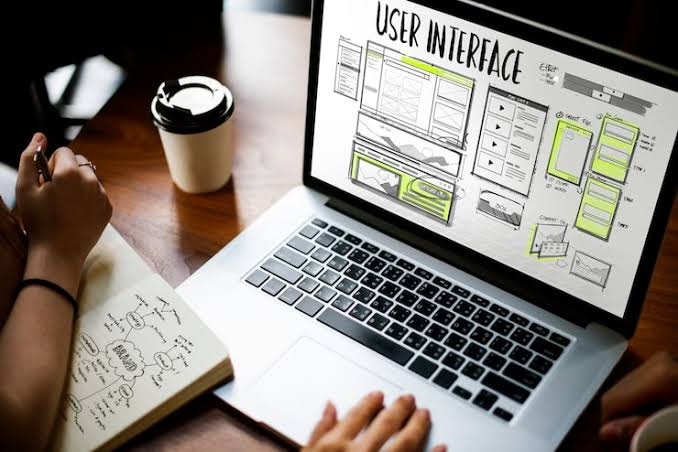
1. Start With a Complete Website Audit
Before redesigning an existing website, businesses should understand what is currently working and what needs improvement. Starting the process without analyzing the existing website can result in unnecessary changes and missed problems.
A website audit can examine several areas of the website, including design, navigation, content, performance, mobile responsiveness, functionality, security, and user experience.
The audit should identify pages that receive useful traffic, important pages that visitors may struggle to find, outdated information, broken links, slow-loading elements, confusing navigation, and features that are no longer necessary.
Businesses should also consider feedback from customers. If customers frequently ask questions because they cannot find information on the website, this may indicate that the website structure needs improvement.
Analytics can provide additional information about how visitors interact with the website. Businesses can examine which pages receive attention, where visitors leave, and which pages contribute to inquiries or sales.
The purpose of an audit is to make redesign decisions based on evidence rather than assumptions.
For example, a business may believe that its homepage needs a complete replacement when the real problem is that visitors cannot easily find the Services or Contact page. Understanding the actual problem can help create a more effective redesign.
A strong redesign therefore begins with analysis.
2. Create a Modern and Professional Visual Design
The visual appearance of a website plays an important role in how visitors perceive a business. A modern website should look professional while remaining easy to understand and navigate.
A successful Website Redesign should give your website a modern appearance while keeping your brand identity clear and consistent.
During a redesign, businesses can review their colors, typography, images, spacing, buttons, page layouts, icons, and other visual elements.
The design should be consistent across the website. Using too many colors, fonts, styles, or unrelated visual elements can make a website appear confusing.
A professional redesign should also consider the company’s brand identity. The website should use visual elements that reflect the business rather than simply copying popular website designs.
Images are another important part of the design. Low-quality, stretched, outdated, or irrelevant images can reduce the professional appearance of a website. High-quality visuals that are relevant to the business can make pages more engaging.
However, good design is not about adding as many visual elements as possible. Sometimes a simpler layout is more effective. Visitors should be able to understand the main message of a page without being distracted by unnecessary animations, graphics, or complicated sections.
A successful website redesign balances appearance with usability. The website should look modern while making it easy for visitors to find information and take action.
3. Improve Website Navigation and User Experience
One of the most important goals of a redesign is making the website easier to use.
Visitors should not have to spend several minutes searching for basic information. Important pages should be easy to locate, and the navigation menu should be organized logically.
A business website may include pages such as Home, About Us, Services, Products, Blog, Contact, and other important sections. These pages should be arranged in a way that makes sense to the target audience.
The user experience should also be considered throughout the website. Visitors should understand what the business offers, who it serves, and what they should do next.
For example, a service page should explain the service clearly and provide an obvious way for the visitor to make an inquiry or request more information.
Forms should also be simple. If a contact form asks visitors to provide unnecessary information, they may decide not to complete it. A redesign can simplify forms and make the communication process more convenient.
Website navigation should also work properly on mobile devices. A menu that is easy to use on a desktop computer may become difficult to navigate on a small screen.
Improving the user experience can make visitors more comfortable and help them move through the website toward the action the business wants them to take.
4. Make the Website Fully Responsive
A modern business website needs to work properly across different devices.
People may visit a website using desktop computers, laptops, tablets, or smartphones. If the website only looks good on a large screen, the business may be creating a poor experience for a significant portion of its visitors.
A responsive website automatically adjusts its layout to different screen sizes. Text, images, buttons, menus, forms, and other elements should remain usable regardless of the device.
During a redesign, every important page should be tested on different screen sizes.
The navigation menu should be easy to open and use. Buttons should be large enough to tap comfortably. Text should remain readable without excessive zooming. Images should fit within the screen without causing horizontal scrolling.
Forms should also be tested carefully because completing a form on a smartphone can be more difficult than completing one on a computer.
Mobile responsiveness is not only about making a website smaller. The entire user experience needs to be considered.
During a Website Redesign, businesses should make sure every page works smoothly across smartphones, tablets, laptops, and desktop computers.
For businesses that depend on online inquiries, sales, bookings, or customer communication, a mobile-friendly website can make it easier for visitors to interact with the company.
A website redesign provides an opportunity to correct mobile usability problems and create a consistent experience across devices.
5. Improve Website Speed and Performance
A visually attractive website can still perform poorly if it takes too long to load.
Website speed is an important part of user experience. Visitors generally expect websites to respond quickly. When pages take too long to load, some visitors may leave before seeing the content.
Several factors can affect website performance. Large images, unnecessary plugins, excessive scripts, poor hosting, outdated website software, and inefficient website elements can all contribute to slow loading.
A redesign provides an opportunity to identify these problems and improve performance.
Images can be compressed and properly sized before being uploaded. Unnecessary features can be removed, and website components can be reviewed to determine whether they are still needed.
Businesses should also consider the hosting environment. A well-designed website may still experience performance problems if the hosting service does not provide adequate resources.
Performance should be tested before and after the redesign so that businesses can determine whether the changes have produced improvements.
Website speed should not be treated as a technical issue that only developers need to care about. It directly affects the experience of customers visiting the website.
A faster and more efficient website can make it easier for visitors to browse pages, read information, view products, submit forms, and interact with the business.
6. Update Your Website Content and Messaging
A website redesign is an excellent opportunity to review the content on the website.
Many older websites contain information that is no longer accurate. Services may have changed, contact information may be outdated, prices may no longer be correct, or the business may now serve a different audience.
The redesign should therefore include a content review.
The homepage should quickly communicate what the business does and why customers should consider its services. Service pages should explain what is offered and how it benefits customers.
The About Us page should provide relevant information about the company, while the Contact page should make it easy for visitors to communicate with the business.
Businesses should also avoid overly complicated language. Website visitors should be able to understand the main message without having to read large amounts of technical information.
Strong website content focuses on the customer’s needs. Instead of simply describing what a company does, the content should explain how the company’s products or services can help customers solve problems or achieve their goals.
A redesign can also improve headings, page structure, calls to action, and other elements that make content easier to read.
When content and design work together, the website becomes more effective at communicating the business message.

7. Strengthen Calls to Action and Conversion Opportunities
A website should not only provide information. It should guide visitors toward useful actions.
A call to action tells visitors what they can do next. Examples include requesting a quote, contacting the business, booking a service, purchasing a product, subscribing to a newsletter, or starting a conversation.
During a redesign, businesses should review whether important pages contain clear calls to action.
For example, a website visitor reading about a website design service should not have to return to the homepage to figure out how to contact the business. The service page should provide a clear way to request information or start a conversation.
Calls to action should be visible without overwhelming the visitor. They should use clear language and be placed where they make sense within the page.
The redesign can also improve contact opportunities by making phone numbers, email addresses, contact forms, social media links, or messaging options easy to find.
The right call to action depends on the purpose of the website. An online store may focus on purchases, while a professional service company may focus on inquiries or quotation requests.
The important thing is to make the next step clear.
Website Redesign for Small Businesses
Small businesses can benefit significantly from a professional website redesign. Many small companies have websites that were created when the business first started but have not been updated as the company developed.
The business may have changed its services, branding, target market, or contact information. A redesign allows the website to reflect the current business.
For small businesses, the website can also serve as an important tool for competing with larger companies. A professional website can help a small business present itself confidently and communicate its value to potential customers.
A redesign does not necessarily mean rebuilding every part of the website from the beginning. Depending on the condition of the existing website, some sections may be improved while others may be completely rebuilt.
This approach can help businesses focus their investment on areas that will make the biggest difference.
Small businesses should also ensure that their redesigned website clearly displays important information such as services, location, contact details, business hours, customer reviews, and other information relevant to their audience.
Signs That Your Business Needs a Website Redesign
There are several signs that a business website may need an update.
One obvious sign is an outdated appearance. If the website looks significantly older than competitors’ websites, visitors may perceive the business as less modern or professional.
Another sign is poor mobile performance. If pages are difficult to read or navigate on smartphones, a redesign may be necessary.
Slow loading speeds are another warning sign. If visitors regularly wait too long for pages to load, performance improvements should be considered.
Outdated information is also a strong reason to review a website. A business should not continue displaying services, prices, contact details, or other information that is no longer accurate.
Difficult navigation can also indicate that the website needs improvement. If visitors cannot quickly find important pages, the structure should be reviewed.
Finally, if the website is not helping the business achieve its goals, a redesign may be worth considering. A website should support the business rather than simply exist online.
Common Website Redesign Mistakes to Avoid
One common mistake is redesigning a website based only on appearance. A beautiful website is valuable, but design alone does not guarantee that the website will achieve business goals.
Another mistake is changing the website without understanding its existing performance. Important pages, useful content, and successful features may accidentally be removed if the existing website is not analyzed first.
Businesses should also avoid adding too many features. Animations, pop-ups, sliders, plugins, and other elements may look interesting but can make websites slower or more difficult to use.
Another problem is failing to test the redesigned website before launching it. Links, forms, buttons, menus, images, mobile layouts, and other features should be tested carefully.
Businesses should also remember to create backups before major changes are made. If something goes wrong during the redesign, a backup can provide an important recovery option.
Finally, businesses should avoid assuming that a redesign is finished immediately after launch. Websites should continue to be monitored and improved based on visitor behavior, customer feedback, and business needs.
Website Redesign and Digital Marketing
A website does not operate separately from other digital marketing activities. It often serves as the destination where customers learn more about a business after discovering it through social media, advertising, search engines, email, or other channels.
This means that website redesign can support broader digital marketing efforts.
For example, a business may use online advertising to attract visitors to a service page. If that page is outdated or confusing, the advertising campaign may not produce the expected results.
Similarly, social media campaigns may direct people to a website. If the website does not provide a professional experience, visitors may lose confidence in the business.
A redesigned website can therefore provide a stronger foundation for other marketing activities.
Businesses should make sure that their website messaging is consistent with their advertising, social media content, branding, and other communication channels.
When these elements work together, customers receive a more consistent experience from the first interaction to the final inquiry or purchase.
How Prex Digital Can Help With Website Redesign
At Prex Digital, we understand that businesses sometimes do not need a completely new website. They may already have a website but need to improve its design, structure, content, performance, and user experience.
At Prex Digital, we approach Website Redesign with the goal of creating a professional, user-friendly, responsive, and business-focused website.
Our website redesign services can help businesses transform outdated websites into more modern and professional online platforms.
The process can begin with an assessment of the existing website. This allows us to understand what is working, identify areas that need improvement, and determine which changes can create the greatest value.
We can help businesses improve website layouts, update content, strengthen branding, improve mobile responsiveness, organize navigation, and create a more professional presentation.
Website redesign can also be combined with other Prex Digital services. Graphic design can help improve visual elements, digital marketing can help attract visitors, social media marketing can support promotion, and website maintenance can help keep the redesigned website functioning properly after launch.
Our goal is not simply to make a website look different. The goal is to create a website that better represents the business, provides a stronger experience for visitors, and supports the company’s objectives.
For businesses with an outdated website, a redesign can be an opportunity to start improving their online presence without necessarily abandoning everything they have already built.
Conclusion
A website can play an important role in how customers discover, evaluate, and interact with a business. However, websites can become outdated as businesses grow and technology changes. A website that once worked well may eventually need improvements to remain effective.
A successful website redesign should look beyond visual appearance. Businesses should analyze their existing website, improve its design, simplify navigation, make it responsive, improve performance, update content, and create clearer opportunities for visitors to take action.
The goal is to create an online platform that is professional, useful, accessible, and aligned with the current needs of the business.
For small businesses, a well-planned redesign can provide an opportunity to strengthen credibility and compete more effectively online. For established companies, it can help modernize their digital presence and improve the experience provided to existing and potential customers.
At Prex Digital, we help businesses build stronger online experiences through professional website design, redesign, digital marketing, graphic design, and other digital services.
If your current website looks outdated, is difficult to use, performs poorly on mobile devices, or no longer represents your business, it may be time for a change.
A strategic website redesign can transform an outdated website into a modern business asset that supports your brand, engages visitors, and creates better opportunities for growth.