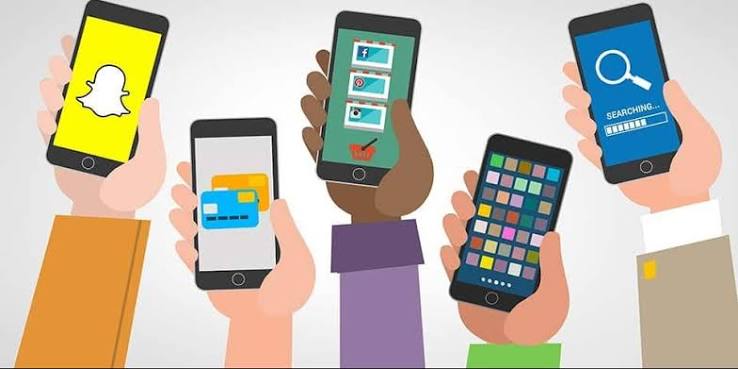
9 Powerful Mobile Marketing Strategies to Reach More Customers
Mobile marketing has become an important part of modern business promotion because customers increasingly use smartphones to search for information, communicate with brands, compare products, and make purchasing decisions. Businesses that fail to consider mobile users may lose valuable opportunities to attract and retain customers.
From browsing social media to visiting websites and responding to advertisements, people use their mobile devices throughout the day. This makes mobile marketing an effective way for businesses to reach their target audience at the right time and in the right place.
Mobile marketing is not limited to sending text messages or displaying advertisements on smartphones. It includes a wide range of activities, such as mobile-friendly website design, SMS marketing, social media promotion, mobile applications, location-based campaigns, email marketing, and mobile advertising.
This article explores nine powerful mobile marketing strategies that can help businesses improve customer engagement, increase visibility, generate leads, and grow their online presence.
What Is Mobile Marketing?
Mobile marketing is the use of smartphones, tablets, and other mobile devices to promote products, services, brands, or businesses. It allows companies to communicate with customers through channels that people frequently use in their daily lives.
These channels may include SMS messages, mobile websites, social media platforms, email, mobile applications, search engines, digital advertisements, and messaging applications.
For example, a business may send customers a promotional text message, create a mobile-friendly website, run advertisements on social media, or use location-based marketing to reach people within a specific area.
The main objective of mobile marketing is to make business communication convenient, accessible, and relevant to mobile users.
Why Mobile Marketing Is Important for Businesses
Mobile marketing matters because smartphones have changed the way people interact with businesses. Many customers now search for products, read reviews, communicate with service providers, and make purchases directly from their mobile devices.
A business website that works well on a computer but performs poorly on a smartphone may create a frustrating experience. Slow loading, difficult navigation, small text, and poorly arranged buttons can cause visitors to leave before contacting the business.
Mobile marketing also provides businesses with opportunities to communicate quickly. SMS messages, mobile notifications, social media posts, and messaging platforms can help brands reach customers almost instantly.
For small businesses, mobile marketing can be especially useful because many affordable tools allow them to promote their services without needing a large marketing budget.

1. Create a Mobile-Friendly Website
One of the most important mobile marketing strategies is ensuring that your website works properly on smartphones and tablets. A mobile-friendly website automatically adjusts its layout, text, images, and buttons to fit different screen sizes.
Visitors should be able to read your content, view your services, complete forms, and contact your business without zooming in or struggling with navigation.
Your website should also load quickly because mobile users may leave a page that takes too long to open. Large images, unnecessary animations, complicated layouts, and poorly optimized files can negatively affect the user experience.
A mobile-friendly website should include clear menus, readable text, visible contact details, simple forms, and buttons that are easy to tap. This helps visitors move smoothly from browsing to taking action.
Professional website design is therefore an important part of a successful mobile marketing strategy.
2. Use SMS Marketing Responsibly
SMS marketing involves sending promotional messages, updates, reminders, or offers to customers through text messages. It can be effective because people often check their messages quickly.
Businesses can use SMS to announce new products, share special offers, remind customers about appointments, confirm orders, or communicate important updates.
However, SMS marketing must be used responsibly. Businesses should obtain permission before sending promotional messages and should avoid sending too many messages. Excessive messaging can annoy customers and damage the brand’s reputation.
Each message should be short, clear, and useful. It should communicate the main offer and explain what the customer should do next.
For example, a business could send a message informing customers about a limited-time discount and directing them to contact the business for more information.
3. Optimize Your Social Media for Mobile Users
Most social media platforms are heavily accessed through smartphones. This means businesses should create content that is easy to view and interact with on smaller screens.
Use clear visuals, short captions, readable text, vertical videos, and strong opening statements. Content should be designed to capture attention quickly because mobile users often scroll through their feeds rapidly.
Images should not contain too much small text, and videos should include captions because many people watch without sound. Buttons, links, and contact instructions should also be easy to understand.
Businesses should study how their audience interacts with content on platforms such as Facebook, Instagram, TikTok, LinkedIn, and WhatsApp. The best platform depends on the target audience and business goals.
Mobile-friendly social media content can increase engagement and make it easier for potential customers to discover your services.

4. Use Mobile Advertising
Mobile advertising allows businesses to display promotional messages to people using smartphones and tablets. These advertisements may appear on social media platforms, search engines, websites, applications, and video platforms.
Businesses can use mobile advertising to promote products, generate leads, increase website traffic, encourage app downloads, or attract customers to a physical location.
Effective mobile advertisements should use simple messaging and attractive visuals. The headline must be easy to understand, while the call-to-action button should clearly communicate the next step.
For example, a mobile advertisement for a digital marketing agency could encourage business owners to request a consultation, view a service page, or send a message through WhatsApp.
Mobile advertisements should also lead users to mobile-friendly landing pages. Sending smartphone users to a slow or difficult webpage can reduce the effectiveness of the campaign.
5. Make Your Contact Process Mobile-Friendly
A major goal of mobile marketing is to make it easy for customers to contact your business. If customers have to complete a complicated form or search extensively for contact details, they may abandon the process.
Businesses should display their phone number, email address, social media accounts, and messaging options clearly. Click-to-call buttons and direct messaging links can make communication more convenient.
For service businesses, a simple contact form should ask only for essential information. Too many fields can discourage users from submitting their details.
Businesses can also use WhatsApp Business to respond to inquiries, share service information, answer questions, and maintain customer communication. Quick responses and organized conversations can improve the customer experience.
The easier it is for mobile users to contact your business, the more likely they are to move from interest to inquiry.
6. Use Location-Based Marketing
Location-based marketing allows businesses to target customers based on their geographical location. This strategy is especially useful for restaurants, salons, shops, schools, clinics, hotels, agencies, and other businesses serving specific areas.
Businesses can use location targeting in digital advertisements, local search campaigns, and social media promotions. For example, a business in Buea may target people searching for services within Buea or nearby communities.
Location-based marketing helps businesses reach audiences who are more likely to visit their premises or need their services.
To support this strategy, businesses should maintain accurate business information online, including their business name, phone number, address, opening hours, and service details.
Local SEO and mobile marketing often work well together because many people search for nearby businesses using their smartphones.
7. Improve Mobile Search Visibility
Mobile users frequently search for products and services through search engines. Businesses should therefore ensure that their websites and online profiles are easy to discover through mobile searches.
Use relevant keywords naturally in website content, page titles, headings, service descriptions, and meta descriptions. The information should match what potential customers are searching for.
A business should also make sure that its website loads properly on mobile devices and provides useful information quickly. Search visibility is not only about appearing in results; it is also about giving visitors a good experience after they click.
For local businesses, maintaining an accurate Google Business Profile can help customers find directions, phone numbers, reviews, opening hours, and other important details.
Improving mobile search visibility can help businesses attract customers who are already looking for their products or services.
8. Use Mobile-Friendly Email Marketing
Email marketing is another important part of mobile marketing because many people read emails on their smartphones. An email that looks attractive on a desktop computer may appear difficult to read on a small screen if it is not properly designed.
Mobile-friendly emails should use readable text, short paragraphs, clear headings, optimized images, and buttons that are easy to tap. The main message should be visible without requiring the reader to scroll excessively.
Email subject lines should also be concise and interesting. Since mobile users may see only part of the subject line, the most important words should appear near the beginning.
Businesses can use mobile-friendly emails to share promotions, educational content, company updates, product announcements, and useful resources.
A well-designed email can encourage customers to visit a website, make a purchase, book a service, or contact the business.
9. Track Results and Improve Your Campaigns
Measuring performance is essential for understanding whether your mobile marketing activities are successful. Businesses should monitor the results of their campaigns and identify areas that need improvement.
Useful measurements may include website visits from mobile devices, click-through rates, calls, messages, form submissions, email engagement, advertisement conversions, and sales.
For example, if many people click a mobile advertisement but do not complete a contact form, the landing page may need improvement. If customers open SMS messages but do not respond, the message or offer may not be compelling enough.
Businesses should test different headlines, visuals, offers, messages, and calls to action. Continuous improvement can help increase engagement and reduce wasted marketing resources.
Mobile Marketing for Small Businesses
Mobile marketing is not only for large companies. Small businesses can use affordable and accessible tools to connect with customers through smartphones.
A small business can begin by creating a mobile-friendly website, setting up a professional social media presence, using WhatsApp Business, sending permission-based SMS updates, and sharing useful content regularly.
Businesses can also use mobile advertising with a limited budget by targeting specific locations, interests, age groups, or customer needs.
The key is to focus on relevance and consistency. A small business does not need to use every mobile marketing channel at once. It can begin with the platforms its customers use most and expand gradually.
Common Mobile Marketing Mistakes to Avoid
One common mistake is ignoring mobile website performance. If a website is difficult to navigate on a smartphone, potential customers may leave before learning about the business.
Another mistake is sending too many promotional messages. Customers may unsubscribe or lose trust if they feel overwhelmed.
Businesses should also avoid using tiny text, unclear calls to action, oversized images, slow-loading pages, and advertisements that do not match the target audience.
Failing to track results is another problem. Without measurement, it becomes difficult to know which campaigns are producing meaningful results.
Finally, businesses should respect customer privacy and obtain permission when required before sending promotional communications.
How Prex Digital Can Help
At Prex Digital Marketing Agency, we help businesses improve their digital presence and connect with customers through effective online strategies.
Our services, including website design, social media marketing, SEO, online advertising, content marketing, and graphic design, can support a complete mobile marketing campaign.
We can help businesses create mobile-friendly websites, develop engaging social media content, improve online visibility, design promotional materials, and build campaigns that make it easier for customers to discover and contact them.
A strong mobile presence can help your business remain accessible and competitive in a digital environment where customers increasingly depend on smartphones.
Conclusion
Mobile marketing gives businesses a powerful way to reach customers where they spend much of their time: on their mobile devices. From mobile-friendly websites and SMS campaigns to social media content, mobile advertising, and location-based promotion, businesses have many opportunities to connect with their audience.
The most effective approach begins with understanding your customers and creating a smooth mobile experience. Your website should be easy to use, your messages should provide value, and your campaigns should have clear goals.
By combining mobile marketing with website design, social media marketing, SEO, email marketing, content marketing, and online advertising, businesses can improve engagement, generate leads, and build stronger relationships with customers.