7 Powerful Steps to Build an Effective Online Marketing Strategy
Building a business in today’s digital environment requires more than simply creating a website or opening a social media account. Businesses need a clear plan for how they will reach potential customers, communicate their value, promote their products or services, and turn online attention into real business opportunities. This is where an effective online marketing strategy becomes important.
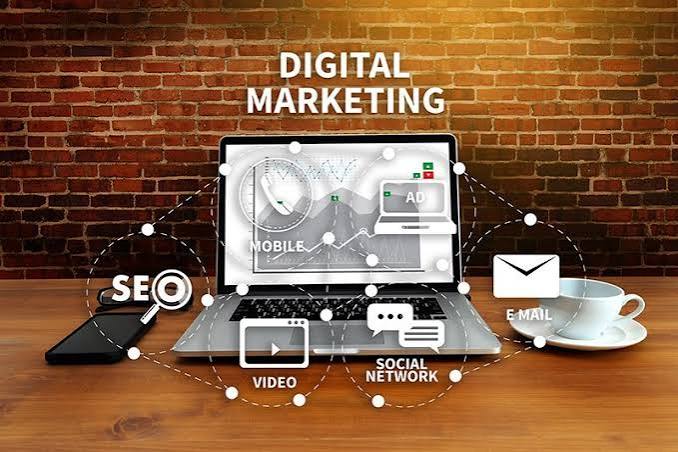
The internet provides businesses with many different marketing opportunities. Search engines can help people discover your website, social media can help you communicate with your audience, content marketing can educate potential customers, email marketing can maintain relationships, and online advertising can help you reach specific audiences.
However, using all these channels without a clear plan can waste time and money. A business may post regularly on social media without knowing what it wants to achieve, publish content without understanding its target audience, or spend money on advertising without measuring the results.
An effective online marketing strategy brings these activities together and gives them a clear direction.
Whether you are starting a new business, running a small local company, operating an online store, or trying to grow an established brand, a well-planned strategy can help you use digital marketing more effectively.
In this article, we will explore seven powerful steps that can help you build an effective online marketing strategy, reach the right audience, increase your online visibility, and create opportunities for long-term business growth.
Why You Need an Effective Online Marketing Strategy
Online marketing can involve many different activities. Without a strategy, it can become difficult to know what you should focus on first.
A business may spend time creating social media posts, writing blog articles, running advertisements, improving its website, and sending emails without understanding how these activities connect.
A strategy provides a clear direction.
It helps you identify who you want to reach, what you want to achieve, which marketing channels you should use, what type of content you should create, and how you will measure your results.
An effective online marketing strategy can also help you avoid wasting resources. Instead of trying to do everything at once, you can focus on the activities that are most relevant to your business and customers.
For example, a local business may focus heavily on local SEO, social media marketing, customer reviews, and its Google Business Profile. An online store may focus more on SEO, social media content, email marketing, and online advertising.
The right strategy depends on the business, its audience, its goals, and its available resources.
1. Define Your Marketing Goals
The first step in creating an effective online marketing strategy is defining what you want to achieve.
Without clear goals, it becomes difficult to determine whether your marketing activities are actually producing results.
Different businesses can have different objectives. One business may want to increase website traffic, while another may want to generate more inquiries, increase online sales, build brand awareness, or attract new customers.
Your goals should be specific enough to guide your decisions.
For example, instead of saying that you want to “grow online,” you could set a goal of increasing qualified website inquiries over a specific period.
If you want to increase online sales, you can focus your strategy around attracting relevant visitors, improving product pages, strengthening calls to action, and making the purchasing process easier.
Your goals should also be realistic for your current stage of business.
A new business may not have the same resources or audience as an established company. Starting with achievable goals allows you to build momentum and learn from your results.
Once your goals are clear, every marketing activity should have a purpose.
For example, if your goal is to generate leads, your website, content, social media posts, and advertising campaigns should encourage potential customers to take actions that can lead to inquiries.
Clear goals give your online marketing strategy direction.
2. Understand Your Target Audience
You cannot create an effective online marketing strategy without understanding the people you want to reach.
Your target audience consists of the people who are most likely to need, want, or purchase your products or services.
Understanding your audience helps you make better decisions about your content, platforms, messaging, offers, and marketing approach.
Start by considering who your ideal customers are.
Think about their needs, problems, interests, location, purchasing behavior, and the type of information they may search for online.
For example, a business selling fashion products to young adults may use social media platforms heavily and create visual content that reflects current styles.
A company providing professional business services may focus more on LinkedIn, search engines, educational articles, case studies, and a professional website.
Understanding your audience also helps you communicate in a way that feels relevant.
Instead of simply telling people what your business sells, explain how your products or services can help solve their problems.
For example, a website design company should not only say, “We create websites.” It can explain how a professional website can help a business establish credibility, provide information, attract visitors, and generate inquiries.
The better you understand your customers, the easier it becomes to create marketing messages that connect with them.

3. Build a Strong Business Website
Your website can serve as the central foundation of your online marketing strategy.
Social media profiles, advertisements, search engines, and other marketing channels can introduce people to your business, but your website can provide a more complete picture of what you offer.
A professional business website should clearly communicate your products or services and make it easy for visitors to find important information.
Your homepage should explain what your business does. Service or product pages should provide useful details. Your About page can explain who you are, while your Contact page should make it easy for potential customers to reach you.
Your website should also be mobile-friendly because many people access the internet using smartphones.
Website speed is important as well. A slow website can create a frustrating experience and may cause visitors to leave before exploring your business.
Your website should also have clear calls to action.
Depending on your business, these could include “Contact Us,” “Request a Quote,” “Shop Now,” “Book a Service,” or “Get Started.”
A strong website gives your other marketing channels somewhere useful to send potential customers.
For example, a social media post can direct people to a relevant blog article or service page. An advertisement can send visitors to a specific landing page. A search engine can introduce someone to your website when they search for a relevant topic.
This is why website design should be considered an important part of your overall online marketing strategy.
4. Use SEO and Content Marketing Together
Search Engine Optimization, commonly known as SEO, can help people discover your website through search engines.
Content marketing can help you provide useful information that attracts and educates your audience.
When these two activities work together, they can become an important part of an effective online marketing strategy.
Start by researching the topics and questions your potential customers are searching for.
For example, a business selling website design services could create content around topics such as website design, website maintenance, website security, website speed, and online business.
Instead of creating content simply because you want to promote a service, focus on answering questions that potential customers actually have.
Your content should be useful, easy to understand, and relevant to your business.
SEO can then help optimize that content so search engines can better understand the topic.
Use relevant keywords naturally in titles, headings, page descriptions, URLs, and content where appropriate. Avoid filling your content with unnecessary keywords because the primary purpose should be to help the reader.
Internal linking can also connect related pages on your website.
For example, a blog article about website speed could link to your website development or website optimization service page.
Over time, useful content can create additional opportunities for your website to appear in relevant searches and attract people who are already interested in your industry.
5. Use Social Media to Connect With Your Audience
Social media marketing can help businesses build relationships with potential and existing customers.
However, social media should not simply be treated as a place to advertise products repeatedly.
People use social media to discover information, communicate, entertain themselves, learn new things, and interact with brands.
Your business should therefore create content that provides value while also supporting your business goals.
You could share educational posts, product demonstrations, customer experiences, behind-the-scenes content, short videos, graphics, company updates, and promotional offers.
Consistency is important, but quality also matters.
Instead of posting random content every day, create a content plan that supports your marketing objectives.
Your social media profiles should also clearly identify your business.
Use consistent branding, include your website where appropriate, and make it easy for people to contact you.
Engagement is another important part of social media marketing.
Respond to comments and messages, answer questions, and participate in conversations related to your business.
Social media can also direct people to other parts of your online presence.
For example, you can use a social media post to introduce a new blog article, promote a service page, announce a product, or invite people to visit your website.
When social media is connected to your broader strategy, it becomes more than a place to publish posts.
It becomes another channel through which people can discover and interact with your business.
6. Use Online Advertising Strategically
Organic marketing methods can take time to produce significant visibility. Online advertising can provide another way to reach potential customers.
Businesses can use platforms such as Google Ads and social media advertising to promote products, services, websites, offers, or other marketing campaigns.
However, advertising should not be based on simply spending money and hoping people will buy.
Before launching a campaign, determine what you want the advertisement to achieve.
You may want to generate website visits, receive inquiries, promote a product, increase sales, or build awareness of a new service.
Your target audience should also be clearly defined.
Depending on the platform, you may be able to target people based on factors such as location, interests, demographics, or search behavior.
Your advertisement should have a clear message and a strong reason for people to take action.
The landing page is equally important.
If an advertisement promotes a particular service, the person who clicks the advertisement should arrive at a page that explains that service clearly.
Sending every advertisement to a generic homepage can make it harder for visitors to find the information they were expecting.
You should also monitor your advertising results.
Track metrics such as clicks, conversions, inquiries, sales, and the overall cost of acquiring customers.
This information can help you understand whether your campaigns are producing useful results and where adjustments may be needed.
7. Measure, Analyze, and Improve Your Strategy
The final step in building an effective online marketing strategy is measuring your results and making improvements.
Digital marketing provides many opportunities to collect data about how people interact with your business.
Website analytics can show how many visitors your website receives, where they come from, which pages they visit, and what actions they take.
Search performance data can help you understand which search queries are bringing people to your website.
Social media analytics can show information about reach, engagement, profile visits, and other interactions.
Advertising platforms can provide information about impressions, clicks, conversions, and spending.
These measurements can help you determine which activities are producing results.
For example, suppose one type of blog article consistently attracts visitors while another receives very little attention. You can use that information when planning future content.
If a social media post generates many inquiries, you can examine what made that post effective.
If your website receives many visitors but very few people contact your business, you may need to improve your calls to action, service pages, website design, or offer.
Marketing should therefore be treated as an ongoing process.
You do not need to create a strategy once and follow it forever. Your customers, competition, industry, and online environment can change.
Review your results regularly and make adjustments based on what you learn.
Common Mistakes to Avoid in Online Marketing
Creating an effective online marketing strategy requires more than simply using different digital channels.
One common mistake is trying to use every platform at the same time. This can spread your resources too thin and make it difficult to maintain quality.
Another mistake is focusing only on selling.
If every social media post, email, or article is designed to ask people to buy something, your audience may lose interest.
Businesses should also avoid ignoring their websites.
Social media can generate attention, but your website often provides the detailed information customers need before making a decision.
Another mistake is failing to measure results.
Without tracking your performance, you may continue spending time and money on activities that are not producing meaningful results.
Businesses should also avoid expecting immediate success.
SEO, content marketing, social media growth, and brand building can take time.
Consistency and continuous improvement are important parts of building a sustainable online presence.
How Prex Digital Can Help With Your Online Marketing Strategy
At Prex Digital Marketing Agency, we understand that businesses need more than individual digital marketing services.
A website, social media account, SEO campaign, content strategy, and online advertising campaign can become much more effective when they work together.
We help businesses build and strengthen their digital presence through services such as website design, SEO, social media marketing, content marketing, graphic design, and online marketing.
For a business that does not yet have a professional website, we can help create a digital foundation that supports future marketing activities.
For businesses that already have websites, we can help improve their online presence through website optimization, content, SEO, redesign, and other digital marketing services.
Our approach is focused on understanding the business, its audience, and its goals before developing an appropriate digital marketing strategy.
The objective is not simply to create more online activity. It is to create marketing activities that support meaningful business objectives.
How to Create a Long-Term Online Marketing Strategy
An effective online marketing strategy should be viewed as a long-term process rather than a short campaign.
Your business may change over time. You may introduce new products, enter new markets, target different customers, or change your business goals.
Your marketing strategy should adapt accordingly.
Start with a clear understanding of your current situation.
Look at your website, social media presence, search visibility, content, customer communication, and previous marketing results.
Identify what is already working and what needs improvement.
Then determine your priorities.
You may decide that your first priority is building a professional website. After that, you may focus on SEO and content marketing. Once your organic presence begins developing, you may add social media advertising or other paid campaigns.
There is no requirement to do everything immediately.
A gradual approach can allow you to learn what works for your business while managing your available resources.
The most important thing is to have a clear direction and remain consistent.
Conclusion
Building an effective online marketing strategy can help your business make better use of the opportunities available on the internet.
Instead of randomly posting on social media, creating content, running advertisements, or changing your website, you can connect these activities around clear business goals.
Start by defining what you want to achieve and understanding the people you want to reach. Build a professional website that provides a strong foundation for your digital presence.
Use SEO and content marketing to help people discover your business and find useful information. Use social media to communicate with your audience and build relationships.
When appropriate, use online advertising to reach targeted audiences, and always measure your results so you can understand what is working.
Most importantly, remember that digital marketing is an ongoing process.
Your first strategy may not be perfect, and that is normal. As you collect data, communicate with customers, and learn more about your market, you can improve your approach.
A well-planned online marketing strategy can help you build stronger visibility, attract relevant audiences, communicate your value, and create more opportunities for business growth.
At Prex Digital Marketing Agency, we help businesses strengthen their online presence through practical digital marketing services, including website design, SEO, social media marketing, content marketing, and graphic design.
Start with a clear goal, understand your audience, choose the right digital channels, and continue improving your strategy as your business grows.