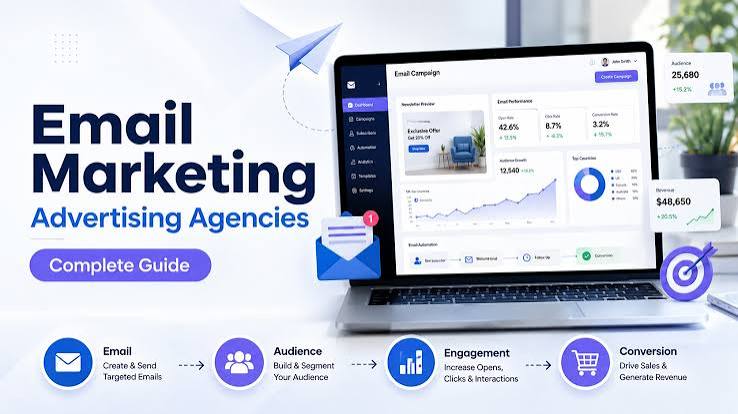
5 Smart Email Marketing Strategies to Grow Your Business
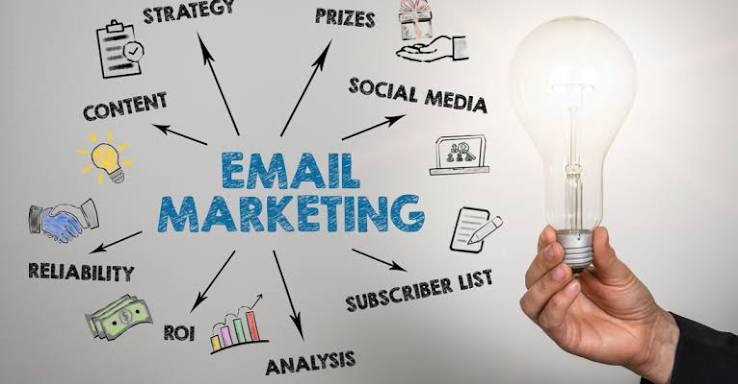
Email marketing remains an effective way for businesses to communicate directly with their customers and potential clients. While social media allows brands to reach people on public platforms, email gives businesses an opportunity to communicate with an audience that has willingly provided their contact information.
From introducing a new product to sharing useful information, announcing special offers, or keeping customers updated about your business, email can become an important part of your overall digital marketing strategy.
However, successful email marketing is about much more than sending messages to a list of email addresses. People receive countless emails every day, and businesses need to provide a clear reason for subscribers to open, read, and engage with their messages.
A successful approach focuses on relevance, value, consistency, personalization, and building genuine relationships with subscribers.
Whether you are a small business, startup, service provider, online store, or growing brand, the right email marketing strategy can help you stay connected with your audience and create opportunities for long-term business growth.
In this article, we will explore five smart email marketing strategies that can help your business communicate more effectively, strengthen customer relationships, and achieve better results.
Why Email Marketing Is Important for Businesses
Email provides businesses with a direct communication channel. Instead of depending entirely on social media algorithms or paid advertising, businesses can communicate with people who have chosen to receive their messages.
This can be particularly valuable for businesses that want to build long-term relationships with customers. Someone may not be ready to purchase a product or service the first time they discover your business. However, staying connected through valuable email content can keep your brand familiar until they are ready to take action.
Email can also be used at different stages of the customer journey. A business can welcome a new subscriber, educate potential customers, share product information, provide updates, encourage repeat purchases, and maintain relationships with existing customers.
The key is to make every communication useful and relevant to the person receiving it.

1. Build a Quality Email List
A successful email marketing strategy starts with having the right audience.
Instead of purchasing random email lists, businesses should focus on building an audience of people who genuinely want to hear from them. One effective way to do this is by providing opportunities for visitors to voluntarily subscribe to your emails.
For example, a business website can include a simple newsletter signup form. You could also offer something useful in exchange for a subscription, such as a helpful guide, checklist, industry resource, special offer, or valuable piece of information.
The goal is not simply to collect as many email addresses as possible. A smaller list of people who are genuinely interested in your business can be more valuable than a large list of people who never open your emails.
It is also important to communicate clearly about what subscribers can expect after signing up. Let them know the type of information they will receive and avoid sending irrelevant messages.
Building your list organically can take time, but it creates a stronger foundation for meaningful communication.
2. Create Valuable Email Content
Once you have an audience, the next step is giving people a reason to remain subscribed.
Your emails should provide something valuable rather than turning every message into a sales advertisement. People are more likely to engage with emails when the content helps them solve a problem, learn something new, discover useful information, or make a better decision.
For example, a digital marketing agency could send subscribers information about improving their online presence, creating better social media content, building professional websites, or developing effective marketing strategies.
A clothing business could share styling ideas, new collections, fashion inspiration, or useful care advice. A restaurant could share updates, special experiences, new menu announcements, or interesting food-related content.
The content should be connected to your business while still being useful to your audience.
A good email should answer a simple question: Why should the person receiving this email care about it?
If you can consistently provide a good answer, subscribers are more likely to continue paying attention to your messages.
3. Personalize Your Communication
People respond differently to messages that feel personal compared with generic messages that appear to have been sent to everyone.
Personalization can begin with something as simple as using a subscriber’s name, but it can go further. Businesses can use information about customer interests, previous interactions, preferences, or behavior to create more relevant communication.
For example, an online store could recommend products based on what a customer has previously viewed or purchased. A service business could send information based on the services a subscriber has expressed interest in.
The purpose of personalization is not to make customers feel monitored. It is to make communication more relevant and useful.
Even small improvements in relevance can make an email feel more thoughtful and connected to the recipient.
Businesses should also consider segmenting their email audience. Different groups of subscribers may have different needs, so sending exactly the same message to everyone may not always be the best approach.
A new subscriber may need introductory information about your business, while an existing customer may be more interested in updates, new services, or loyalty offers.
4. Write Emails That Encourage Action
An effective email should have a clear purpose.
Before sending an email, think about what you want the reader to do after reading it. Perhaps you want them to visit your website, read an article, contact your business, register for an event, request information, or purchase a product.
A clear call to action helps guide the reader toward that next step.
The language should be simple and direct. Instead of overwhelming readers with several competing messages, focus on the main action you want them to take.
Your subject line is also important because it is one of the first things recipients see. A clear and relevant subject line can encourage people to open the email, while vague or misleading subject lines can reduce trust.
The content inside the email should then deliver on the promise made by the subject line.
For example, if your subject line introduces a guide to improving business websites, the email should provide useful information about that topic and direct readers to the relevant resource.
Trust is an important part of successful email communication. Avoid misleading subject lines simply to increase open rates.
5. Test and Improve Your Email Campaigns
Email marketing should be treated as an ongoing process of learning and improvement.
Different audiences respond differently to subject lines, content formats, sending schedules, and calls to action. What works well for one business may not produce the same results for another.
This is why businesses should monitor their email performance.
Pay attention to metrics such as open rates, clicks, unsubscribes, website visits, leads, and conversions. These measurements can help you understand how subscribers respond to your communication.
For example, if emails receive a good number of opens but very few clicks, the content or call to action may need improvement. If a particular type of email generates more website visits, that information can help shape future campaigns.
Businesses can also experiment with different subject lines, email formats, content topics, and calls to action.
Testing allows you to replace assumptions with evidence. Rather than simply guessing what your audience wants, you can use your results to make better decisions.
How Email Marketing Can Build Customer Relationships
One of the biggest strengths of email marketing is its ability to support long-term customer relationships.
A customer relationship does not necessarily end after someone makes a purchase. Businesses can continue providing useful information, updates, support, and relevant offers that encourage customers to remain connected with the brand.
For example, after someone purchases a product, a business can send helpful information about using or caring for the product. Later, the business can introduce related products or services that may be relevant.
For service businesses, email can be used to maintain relationships with previous clients and keep them informed about new services, useful resources, and important updates.
The most successful businesses understand that customer relationships are built over time. Email provides an opportunity to remain present without being intrusive.
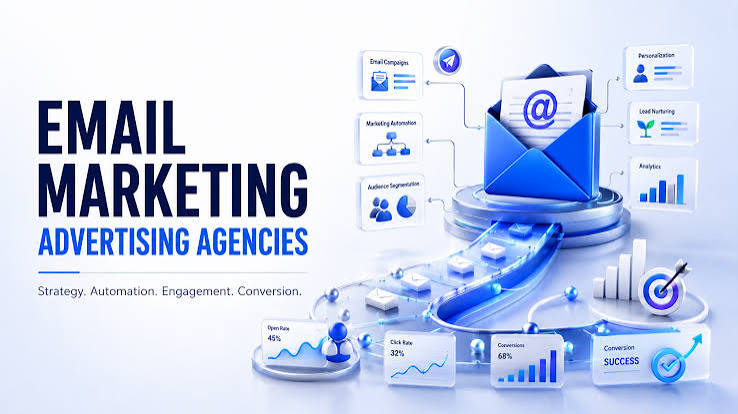
Email Marketing for Small Businesses
Small businesses can benefit significantly from email marketing because it provides a practical way to communicate with customers without needing a massive marketing budget.
A small business does not need thousands of subscribers to begin. What matters is building an audience that is genuinely interested in the business and consistently providing them with useful communication.
For a new business, even the first few subscribers can be valuable. As the business grows, the email list can grow alongside it.
Small businesses can also use email to promote their other digital channels. A newsletter can introduce subscribers to new blog posts, social media content, products, services, or special announcements.
This creates a connected marketing system where different channels support one another.
Common Email Marketing Mistakes to Avoid
One of the biggest mistakes businesses make is sending too many promotional messages. If every email asks customers to buy something, subscribers may quickly lose interest.
Another mistake is sending irrelevant information. Businesses should understand their audience and make an effort to provide content that is connected to subscribers’ interests.
Poor subject lines can also reduce engagement. A subject line should clearly communicate the purpose or value of the email without misleading the recipient.
Businesses should also avoid ignoring mobile users. Many people read emails on smartphones, so messages should be easy to read and navigate on smaller screens.
Finally, businesses should respect their subscribers. People should be able to unsubscribe easily, and businesses should follow applicable email marketing and privacy requirements.
Respecting subscribers helps protect trust and creates a healthier relationship between the business and its audience.
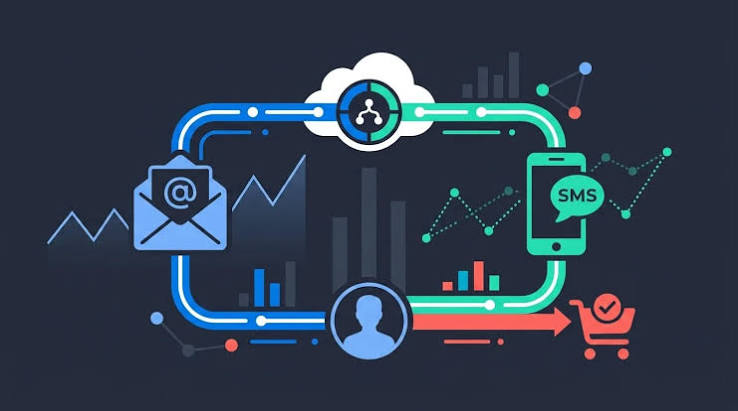
How Email Marketing Works With Other Digital Marketing Channels
Email marketing becomes even more effective when it works alongside other digital marketing activities.
For example, social media can help attract people to your website, where they can subscribe to your newsletter. Your blog can provide valuable content that you share with your email audience. Your website can encourage visitors to follow your social media accounts, while your emails can direct subscribers back to useful pages on your website.
This creates multiple opportunities for people to interact with your brand.
For Prex Digital Marketing Agency, for example, an email newsletter could share useful information about social media marketing, content marketing, website design, branding, and other digital marketing topics. Subscribers who find the information useful may eventually become interested in the agency’s services.
The important thing is to create a consistent experience across your different marketing channels.
The Future of Email Marketing
Email continues to evolve as customer expectations change and businesses adopt new technologies.
People increasingly expect communication to be relevant, useful, and personalized. Businesses therefore need to focus less on sending large quantities of emails and more on creating meaningful communication.
Automation can also help businesses communicate with customers at the right stage of their journey. Welcome emails, follow-up messages, reminders, and other automated communications can save time while providing timely information.
However, technology should support communication rather than replace genuine value. The foundation of successful email marketing will continue to be understanding the audience and delivering information that matters to them.

Conclusion
Email marketing provides businesses with an effective way to communicate directly with their audience, build relationships, promote their services, and encourage long-term growth.
The most successful strategies focus on building a quality audience, creating valuable content, personalizing communication, encouraging clear actions, and continuously measuring results.
You do not need a huge email list to get started. What you need is an audience that is genuinely interested in what your business offers and a commitment to providing them with useful and relevant communication.
When email marketing is combined with other digital marketing channels such as social media, content marketing, website design, and online advertising, it can become an important part of a complete digital marketing strategy.
At Prex Digital Marketing Agency, we help businesses develop stronger digital strategies designed to connect them with the right audience. From content marketing and social media marketing to website design and other digital marketing solutions, our goal is to help businesses build a stronger and more effective online presence.
Ready to connect with your customers more effectively? Contact Prex Digital Marketing Agency and let’s create a digital marketing strategy that supports your business goals.